
Leadership Resource Reintroduced to Foster Discipleship Culture (Part 2)
By Chris Wilterdink
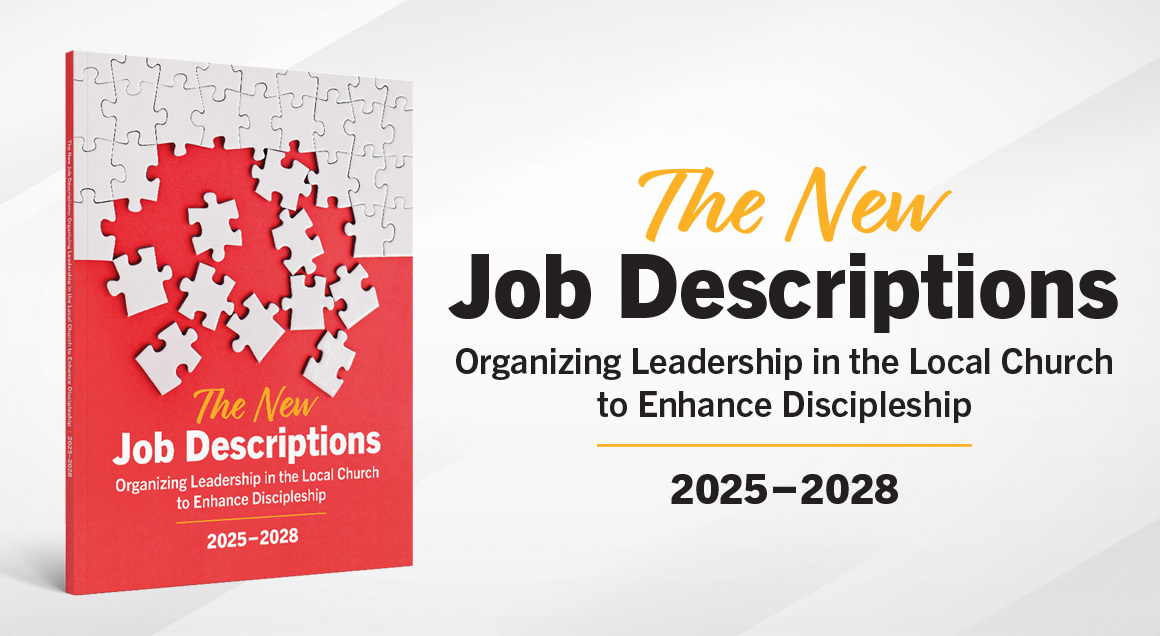
This article is part 2 in a 2-part series about our new resource, The New Job Descriptions: Organizing Leadership in the Local Church to Enhance Discipleship. Read Part 1 here.
Are you a leader in your local ministry setting who is asking these kinds of questions?
How do leadership development and discipleship complement each other in your church?
How do you (and other leaders in your congregation) identify and invite new leaders to consider serving?
What is already amazing and what could be better about the culture of discipleship in your congregation?
What is does a healthy balance of responsibilities look like in your context between paid staff and volunteer leadership?
What does a healthy balance of responsibilities look like in your context between clergy (elder/deacon/licensed local pastor) and lay leadership?
In the last year we have been working on updating a resource that was last published in 2016 to reflect some updates for local congregational leadership, but also to incorporate discipleship into the foundation of the various positions that area part of local church guidance. If the questions above interest—or challenge—you, would you check out The New Job Descriptions: Organizing Leadership in the Local Church to Enhance Discipleship by Chris Wilterdink?. You’ll find an excerpt below and soon will be able to purchase this resource on our website.
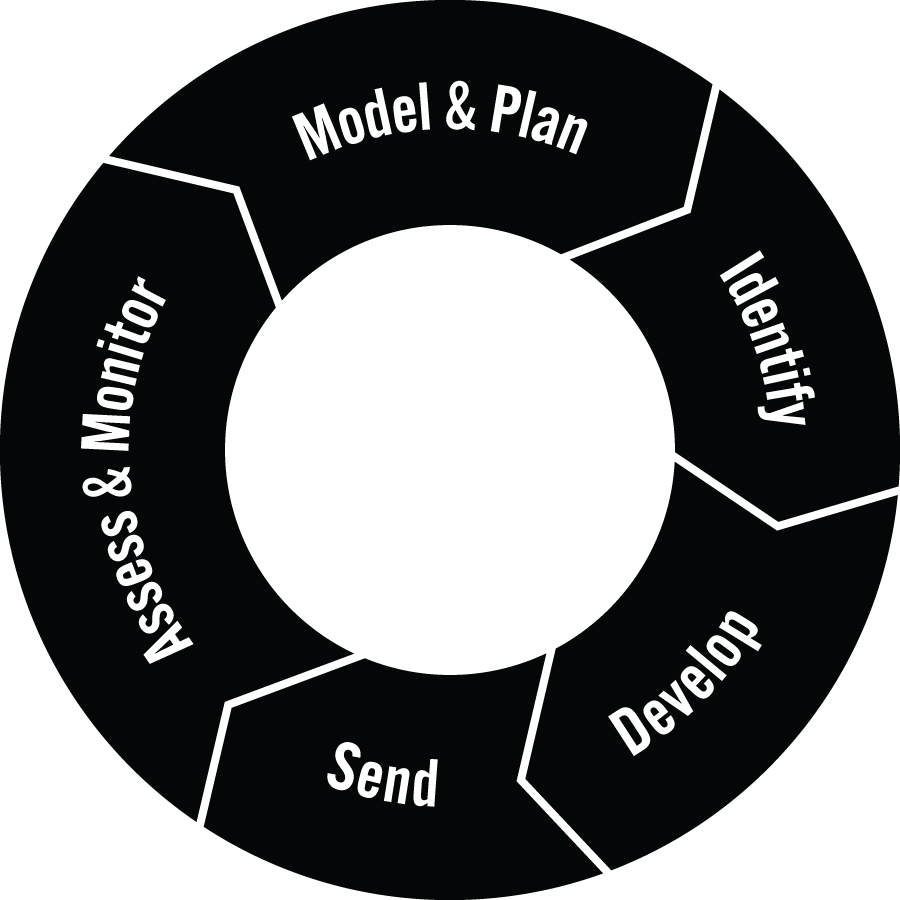
The Job Description Cycle
Creating a repeating cycle of leadership development along with clear job descriptions firmly plants the value of growth and maturity in your church’s culture of discipleship and its intentional discipleship system. Committees and teams should understand how they contribute to this cycle, even if their role focuses more on one element of the cycle. The Job Description Cycle includes five stages and is based on the concept of a “continuous improvement model” that leaders can use to make ongoing and incremental improvements within their organizations. This approach is highly complementary to United Methodist DNA, with our traditions of accountable discipleship, journeying on to Christian perfection, and understanding salvation as a process.
Ideally, this cycle should be overseen by the committee on nominations and leadership development (BOD), sometimes referred to as the nominating committee (or the equivalent in your church’s leadership structure).
Context Considerations
Each job description may be used in its current form or adapted by local leaders for language and responsibilities that are appropriate for the ministry of a particular church. Job descriptions may be modified to fit a specific context; jobs and responsibilities may be combined so that a church will not be overwhelmed by trying to fill so many roles. Local church history, heritage, demographics, physical and digital location(s), values, vision, social principles, and congregational views on social issues may affect how church leadership is organized, and which jobs are critical for the mission of the church.
These job descriptions are organized and titled to reflect language in the Book of Discipline related to the organizational life of the church. Often, the committees and positions named in this resource for the local church will have complementary positions at district, conference, and general church levels. By maintaining some consistency regarding titles and responsibilities, the connectional nature of The United Methodist Church becomes more familiar for all involved.
See https://www.umc.org/en/content/organization-church-as-connection for more information.
How could you use this resource?
- A pastor, lay leader, or administrative council may use these job descriptions to create leadership roles and an organizational chart for staff and church members, whether lay or clergy, for their local church.
- Church leaders may read these job descriptions as a discernment tool, as they think and pray about who would be ideal for the roles based on their spiritual gifts, skills, areas of passion, and maturing discipleship. Those invited into leadership positions may also read the job descriptions as they discern how they feel called to serve.
- Use the job descriptions as a recruitment tool. Church leaders may send a copy of the job description as part of an invitation to serve the church in a leadership role. These job descriptions can clarify what the church is asking of volunteers or staff in leadership roles.
- Church leaders and the person serving in the role can refer to the job description as a point of reference to ground their work and share expectations.
- Church leaders and the person serving in the role can refer back to the job description as an aid for assessment to determine if the needed functions of the job are positively impacting discipleship in the local church and community.
Want to know more about The New Job Descriptions: Organizing Leadership in the Local Church to Enhance Discipleship? We have developed 40 different job descriptions according to the sample template. You will find positions common to every church (for example, S/PPRC, Finance, and Trustees Chair) as well as positions that may inspire you to expand into a new area (Church Media/Communications, Intergenerational Coordinator and NOW [Nurture, Outreach, and Witness] Coordinator.) The New Job Descriptions guide will also point you to resources available to nurture a Culture of Call and create a space for discernment for all to hear God’s voice and say yes to following as a disciple.
Where can I learn more?
Leadership Resource Reintroduced to Foster Discipleship Culture (Part 1)
The New Job Descriptions: History and Hopes
Turning The New Job Descriptions into Discipleship Tools: Practical Ideas for Church Leaders
Purchase: The New Job Descriptions Book
Contact Us for Help
Contact Discipleship Ministries staff for additional guidance.