
The New Job Descriptions: History and Hopes
By Chris Wilterdink
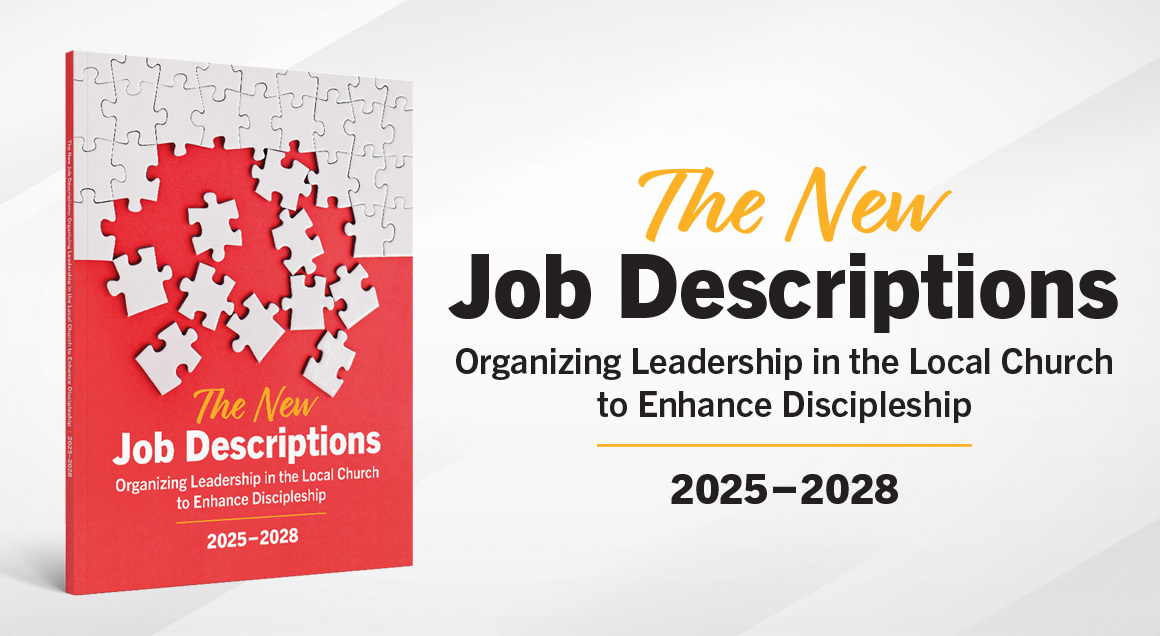
In a church, most leadership happens far from the pulpit. It happens in hallways between committee meetings, during ministry planning sessions, among members and constituents in the community, and even in quiet, regular acts of faithfulness. Over time, churches have tended to tie responsibilities to “official” titles —chairperson, coordinator, leader—but too often the meaning of those roles has been reduced to tasks rather than discipleship.
The New Job Descriptions: Organizing Leadership in the Local Church to Enhance Discipleship follows a long Methodist tradition of organizing the church’s life with purpose. From early Methodist societies and class meetings to modern leadership structures outlined in the Book of Discipline, Methodists’ modus operandi (whether they realize it or not) just might be that structure matters—not for its own sake, but because it shapes opportunities for faith formation.
Earlier editions of this resource were excellent for their time and context, focusing primarily on accountability and order. Those earlier versions also tended to assume a level of professionalization and paid compensation for the responsibilities of organizing the life of the church. The updated resource builds on the best parts of that foundation while removing assumptions about church size, compensated staff roles, and a monoculture of discipleship, while responding to a more urgent question facing today’s church: How do leadership roles actively form disciples rather than merely fill slots in an organizational chart?
At its core, The New Job Descriptions assumes something bold and hopeful—that leadership itself is a discipleship practice. The “jobs” that existing church leaders invite new people into can shape how they pray, serve, learn, lead, and love. When leadership roles are disconnected from discipleship, they become burdens. When they are clearly connected to God’s mission, they become pathways to transformation.
All are called. Discipleship is not reserved for a few spiritually advanced people. The whole congregation participates in forming disciples, and leadership is one of the primary ways that calling takes shape over time. Existing church leaders must be intentional about identifying new leaders, discovering their spiritual gifts, and inviting them to explore their call to serve.
Culture precedes programs. Churches do not become disciple-making because they find the perfect curriculum or simplify their committee structures. They become disciple-making when leaders cultivate a shared culture of discipleship—one that tells clear stories about why ministry exists and how people grow. That culture naturally develops leaders who can take on the jobs needed for church vitality.
Structure can serve grace. Thoughtful job descriptions for those stepping into church leadership positions can reduce anxiety and clarify expectations. When people know why a role exists and how it contributes to God’s mission, they are more likely to say yes—and to grow through the experience.
This resource also responds to real congregational pain. Many churches rely on a small pool of faithful leaders who carry multiple roles year after year. Others struggle to invite new people because expectations feel unclear or overwhelming. Still others have leaders who work hard but feel disconnected from the church’s discipleship vision. Rather than offering a one-size-fits-all solution, The New Job Descriptions is written with smaller congregations in mind and provides adaptable templates and optional jobs that church leaders can customize and contextualize. Each role names its connection to discipleship, clarifies spiritual gifts and skills, and invites local leaders to define what fruitfulness looks like in their context. The resource names and clarifies the required “jobs” outlined in the Book of Discipline for a United Methodist Church. It also offers additional “jobs” that a church might consider creating to improve its culture of discipleship and live into its stated mission, vision, and values.
The hope is not perfection. The hope is creative alignment.
We hope pastors, lay leaders, and nominating committees will ask more than, “Who can fill this role?” and add, “How might this role help someone grow as a disciple?” We hope churches will treat leadership development as a cycle rather than a scramble. We pray that existing leaders will rediscover that organizing the church’s life is itself holy work.
These job descriptions are not finish lines; they are starting places—tools to help congregations love boldly, serve joyfully, and lead courageously together, as part of the shared mission of the United Methodist Church.
Where can I learn more?
Leadership Resource Reintroduced to Foster Discipleship Culture (Part 1)
Leadership Resource Reintroduced to Foster Discipleship Culture (Part 2)
Turning The New Job Descriptions into Discipleship Tools: Practical Ideas for Church Leaders
Purchase: The New Job Descriptions Book
Contact Us for Help
Contact Discipleship Ministries staff for additional guidance.