
Safe Enough to Belong: Why Safer Sanctuaries Is Belonging Work
By Brittany Sky
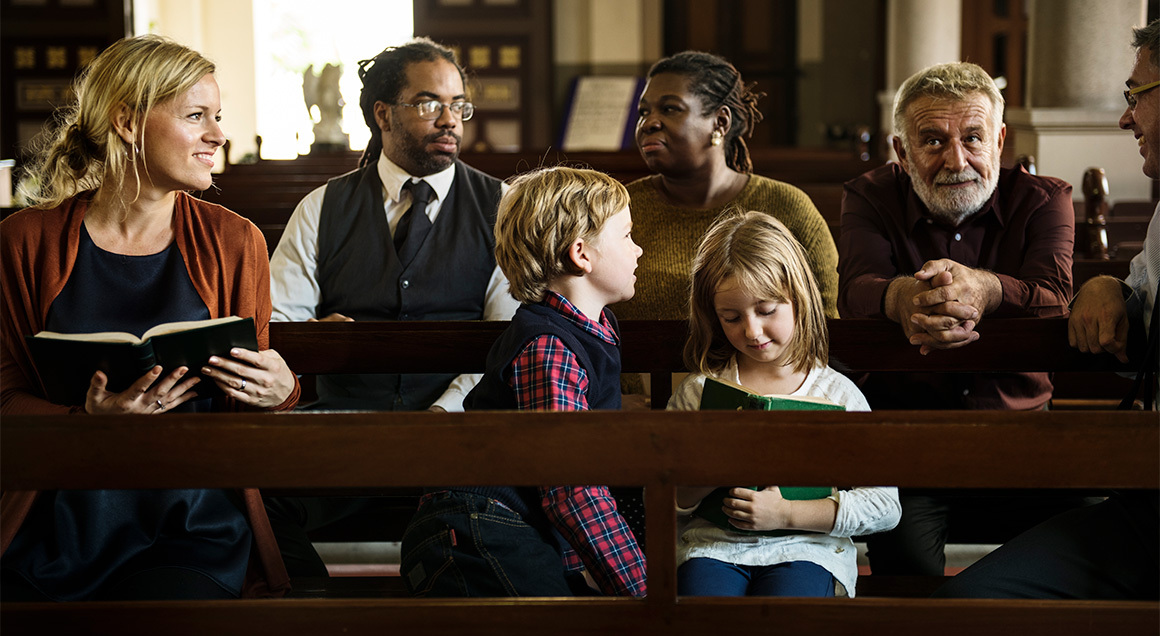
When I ask children’s ministry leaders what they hope children will experience at church, the answer I hear most often is some version of this: I want them to know they are loved. I want them to know they belong.
I want that, too. It’s why many of us do this work. We want children to walk into our buildings and be greeted by name. We want families to know there is room for their questions, their noise, their gifts, and their struggles. We want every child, young and old, to know they are part of the body of Christ.
But belonging doesn’t begin with a welcome banner or a well-planned program. It begins with trust. And trust depends on safety.
Belonging Needs a Foundation
Children are always quietly asking a question, even when they don’t have the words for it: Am I safe here? They ask it with their bodies before they ask it with their voices. A child who doesn’t feel safe may still attend, still sit in the circle, still color the page. But they won’t be free to bring their whole selves: their wonder, their doubts, their joy, or their pain.
The same is true for caregivers. A parent who hands their child to a volunteer is offering an enormous act of trust. A teenager who confides in a youth leader is taking a risk. An adult with a disability who relies on others for support is trusting the community with their dignity and well-being. When churches honor that trust, belonging can grow. When we don’t, the harm runs deep, and it can shape how someone understands the church, and even God, for the rest of their life.
That’s why safe church policies are not a distraction from the ministry of belonging. They are part of its foundation.
Policies as Hospitality
I’ll admit it: “policy” is not a word that makes most of us feel warm and fuzzy. When we hear it, we may picture binders, forms, background checks, and training modules that feel like one more thing on an already full plate. It’s easy to treat safe church policies as a box to check so we can get to the “real” ministry.
But I’ve come to see these practices differently. When a congregation screens and trains its volunteers, it is saying, We take the people in our care seriously. When we make sure at least two background-checked adults are present, it is saying, No one here has to carry this responsibility alone, and no child will be left in a vulnerable situation. When we communicate clearly with families about our practices, it is saying, You deserve to know how we care for your child. And when we listen carefully to children and respond when something doesn’t seem right, it is saying, Your voice matters here.
That’s hospitality. Safe church practices are one of the most concrete ways we can tell someone, You belong here, and we will protect you.
From Fear to Flourishing
For more than 25 years, United Methodist congregations have relied on Safe Sanctuaries resources to guide their abuse-prevention work. The newer resource, Safer Sanctuaries: Nurturing Trust within Faith Communities, builds on that foundation while inviting churches into a shift in perspective: moving from a posture of fear to one of flourishing.
That shift matters. When abuse prevention is driven only by fear—fear of liability, fear of getting it wrong, fear of the worst-case scenario—it can make our communities anxious and guarded. Rules become something to follow grudgingly or skip when no one is looking. But when our policies are rooted in love for our neighbors and a commitment to discipleship, they become part of who we are. They help create communities where honesty, accountability, and open communication are normal, and where everyone, including leaders, can flourish.
The word safer is intentional, too. No church can promise perfect safety. But every church can commit to becoming safer: continually learning, reviewing, and improving how we care for one another.
Safety and Belonging for All
If we’re serious about creating spaces where all people belong, we have to think about who is most vulnerable in our communities. Children and youth, of course. But also adults who are vulnerable because of disability, illness, age, or life circumstances. Children with disabilities face an increased risk of abuse, and they may have fewer ways to communicate that something is wrong. Accessible, inclusive ministry and safe ministry are not two separate priorities. They belong together.
This means our policies should be understandable to everyone who needs to follow them. It means training volunteers to recognize different ways children communicate. It means honoring autonomy and consent, so that children learn their bodies and their “no” are respected at church. And it means building a culture where anyone, child or adult, can raise a concern and trust that it will be taken seriously.
Safe church policies also create room for those who have experienced harm, whether inside or outside the church. For survivors, seeing that a congregation takes safety seriously can be a sign that this might be a place where healing is possible.
Questions for Your Team
Having a policy is a good start. Living it is what builds trust. Consider gathering your ministry team, pastor, and a few volunteers to talk through questions like these:
- When was our safe church policy last reviewed and updated, and who was involved?
- Do our volunteers know what the policy says, and do they understand why it matters?
- How do we communicate our practices to families, including new families and visitors?
- Is our policy accessible and understandable to everyone who needs to follow it?
- How do children, youth, and vulnerable adults know who they can talk to if something feels wrong?
- Where do our practices feel like “checking a box,” and how might we reconnect them to our calling to love our neighbors?
Where to Begin
If your congregation is just getting started, or if your policy has been sitting untouched in a filing cabinet for a while, you don’t have to figure it out alone. Discipleship Ministries offers Safer Sanctuaries resources, including a series of short videos called the Seven Wonders of a Safer Sanctuaries Policy, that can help your team develop and implement practices that fit your context. [Editor note: add links to the Safer Sanctuaries page and the Seven Wonders video series.] Many annual conferences also have trained Safer Sanctuaries leaders who can help. [Editor note: consider adding a line about how to find a conference contact.]
As one of the writers of Safer Sanctuaries, I’ve seen how this work can transform a congregation. It is not about building walls. It’s about building trust, so that when we say, You belong here, every child, youth, and adult can believe us.
May our churches be places that are safe enough to belong.
Suggested links:
Safer Sanctuaries
Seven Wonders of Safer Sanctuaries
Director of Children's and Intergenerational Ministries