
Tips to Expand Effectiveness in Older Adult Ministry
Rev. Lisa Jean Hoefner, Older Adult Ministries Coordinator, Discipleship Ministries
Effective leaders learn from other people’s experiences. Why reinvent wheels when colleagues can help? This article is the first in a series of “tips from the field” where seasoned professionals in older adult ministries share their best ideas. I asked, “What do you wish you knew when you started leading ministries by, with, and for older adults?”
First, we’ll hear from Jim Fraizer, who shares, “Things I wish I had known when I started working in older adult ministry.” Jim is in his thirtieth year of working with older adult ministries and has a wealth of experience. Future articles will include Jim’s tips for leading trips and travel programs.
- It’s important to get to know children and relatives of older adults. You can get to know someone better when you know their relatives. It is helpful to know relatives when older adults need help, or when you notice changes in their behavior or patterns.
- Let the children know when you see subtle changes in their parent(s). Sometimes the children or relatives might not see their loved ones every day, so those in older adult ministry have a responsibility to inform relatives when they observe physical or mental changes.
- Consider touching older adults on their shoulders or arms when you talk to them. Ask if you can hold their hands when you pray together. Many people don’t receive physical touch often. Older adults may go days or weeks without human contact. We all need human touch.
- Keep a running list of home health and retirement communities. Older adults and their relatives need someone they can trust when it comes time to make important decisions about retirement communities or home health companies.
- It’s important to visit people who live alone. Consider establishing laity visitation ministry. Clergy could visit the hospitals and laity could visit those at home and in retirement communities.
- There can be big differences between generations. Don’t underestimate the differences in the several generations of older adults. Try to offer different options according to age and activity levels. However, “We don't check IDs at the door!” In our ministry, we have found that even though we recognize major differences in the generations, we allow anyone over age fifty-five to attend any of our events, even those not designed for their age group. When we offered exercise classes for baby boomers, several people in their eighties and nineties also participated!
- Take advantage of activities and programs in the community. We have a great relationship with our area’s senior citizens center. We work well together and offer events and trips that these organizations do not, so we aren’t in competition. Find out “who else cares” when planning events, information sessions, and outings. Cooperation and collaboration go a long way toward the goal of reaching people.
- Many single people don’t go to dinner, shows, or movies by themselves. In our boomer ministry, we have a group that goes to dinner and movies or a show once a month.
- Provide exercise classes. Those in the second half of life need to take care of themselves physically. I lead a stretching class designed for older adults. I also encourage them to walk and get involved in community sports such as pickleball.
- Lead Bible studies. We provide two Bible studies designed for those over fifty-five. The studies cover the same topics, so if people miss one class, they can take the other one. Bible studies build community and help leaders develop relationships with church members.
- Most older adults appreciate getting a handwritten note. Even in these days of electronic communication, some people appreciate handwritten notes. As a pastor, I try to follow up with the surviving spouse or children at least at six months and one year after a loved one has died.
These tips from Jim can help you get started or fill in gaps in your older adult setting. The next article will go a little deeper with ideas for older adult ministries that might spark intentionality in your work with senior adults. Our third article will address ideas for trip and travel programs.
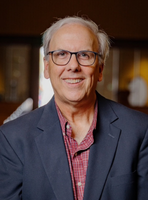
Jim Frazier has been on staff at Vestavia Hills Methodist Church in Birmingham, Alabama, for almost thirty years. He has been working with older adults since 2013, and his current title is Pastor of Care and Support. Jim is a graduate of the University of Kentucky and Asbury Theological Seminary. He has been married to Rhonda for thirty-eight years, and they have two children and three grandchildren. Jim has been leading group travel since 2001 and is working on a book about his travels.
Contact Us for Help
Contact Discipleship Ministries staff for additional guidance.