
See All the People

As Jesus passed along the Sea of Galilee, he saw Simon and his brother Andrew casting a net into the sea — for they were fishermen. And Jesus said to them, “Follow me and I will make you fish for people. — Mark 1:16–17 NRSVUE
Jesus walked toward people, not waiting for crowds. He moved through ordinary streets and named the people he saw — Simon, Andrew, a tax collector at his table, a woman at a well — and in each meeting the kingdom drew closer.
See All The People is not a program or strategy. It is a posture and a practice: the daily, prayerful turning of our attention to the people God has already placed within reach, and the slow, faithful work of forming disciples among them.
The people God is calling your church to reach are already around you — in your neighborhood, your workplace, your block, your school. Seeing them is the first act of love, and the first step of mission.
SATP begins with the mission of the church given to us by Christ: to make disciples of Jesus Christ for the transformation of the world. The resources below exist to help your congregation live into that calling, one practice at a time.
Introducing the newest iteration, the see All The People Discovery Book (2026)
Where do you begin? With yourself. Written by Rev. Jeff Campbell, General Secretary of Discipleship Ministries, See All The People: A Path of Discovery invites you and your congregation to rediscover your own discipleship before building anything new. It asks: Why did you first follow Jesus? Is that something you want for others? What keeps you from seeing the people God has placed around you?
This is the place to start. Purchase a download or print copy available here.
See All The People: Start Here
These three resources form the foundation of the See All The People movement. Begin with the Discovery book, then move into the guides below. Each one builds on the last.

See All The People: A Path of Discovery
A personal and corporate journey through what it means to be a disciple who sees. Ideal for individual reflection, leadership teams, or small group study.

Developing an Intentional Discipleship System: A Guide for Congregations
The foundational guide for building an intentional discipleship pathway for your context. Available in English, Spanish, Korean, and Finnish.

Engaging Your Community: A Guide to Seeing All the People
TMoves from observation to relationship to invitation. The outward-facing companion to the IDS guide.
Grow as a Disciple-Making Congregation
Discipleship does not happen in one place or through one practice. It happens in worship, in community, in reaching out, and in generous living. These four pathways offer resources for each dimension of a disciple-making congregation. You do not have to do all four at once. Start with the one that feels most alive or most needed in your context right now.
Pathway 1
Grow in Worship
How does what happens on Sunday form people into disciples the rest of the week?
Worship is the most repeated formation practice in the life of nearly all congregations. It is also one of the most underused. When worship is designed with discipleship in mind when sermons, music, and liturgy work together toward spiritual growth rather than simply filling an hour it becomes one of the most powerful means of grace a church can offer. These resources help you build a worship life that forms disciples.

Forming Disciples Through Worship
Practical guidance on how sermons, music, and liturgy work together to form or hinder disciples. Includes tools for building a discipleship-focused worship team and planning worship with spiritual formation as an intentional goal. Co-authored by leaders from the Discipleship Ministries worship team.

Digital & Embodied: Considerations for Online Worship
For congregations navigating hybrid or online worship, this resource takes a Wesleyan approach to what it means to form disciples in digital space gathering, proclamation, response, sending. Theologically grounded and practically useful.
Pathway 2
Grow in Community
How do we create spaces where people move from attending to belonging — and from belonging to being formed?
The Wesleyan movement was built on small groups class meetings and band societies where disciples held one another accountable, shared their faith, and grew together. That tradition is not a historical artifact. It is a practice the church still needs. These resources help you build and sustain communities of formation that go beyond fellowship into genuine discipleship.

How to Start Small Groups: Growing Larger by Acting Smaller
A practical guide for launching effective small groups in congregations that have never had them or that need to rebuild. Covers leadership development, group structure, and getting started with the Wesleyan tradition of small group accountability in mind. Available in English and Spanish.

Thriving Small Groups
For groups already running that need renewal or direction. Covers the essentials of group health, common challenges, moving beyond surface-level study, and the curriculum question. Companion to How to Start Small Groups.

Discipleship as Care
Pastoral care and discipleship formation are not separate tracks. This resource helps congregations build a culture of care including caregiving ministries like Stephen Ministry and respite care as a direct expression of following Jesus and forming one another.

New Member / New Disciple Orientation
A four-session curriculum that moves people from membership into intentional discipleship, covering Wesleyan heritage, grace, the baptismal covenant, and what it means to live as a disciple in community. One of the most strategic formation moments a congregation can offer.
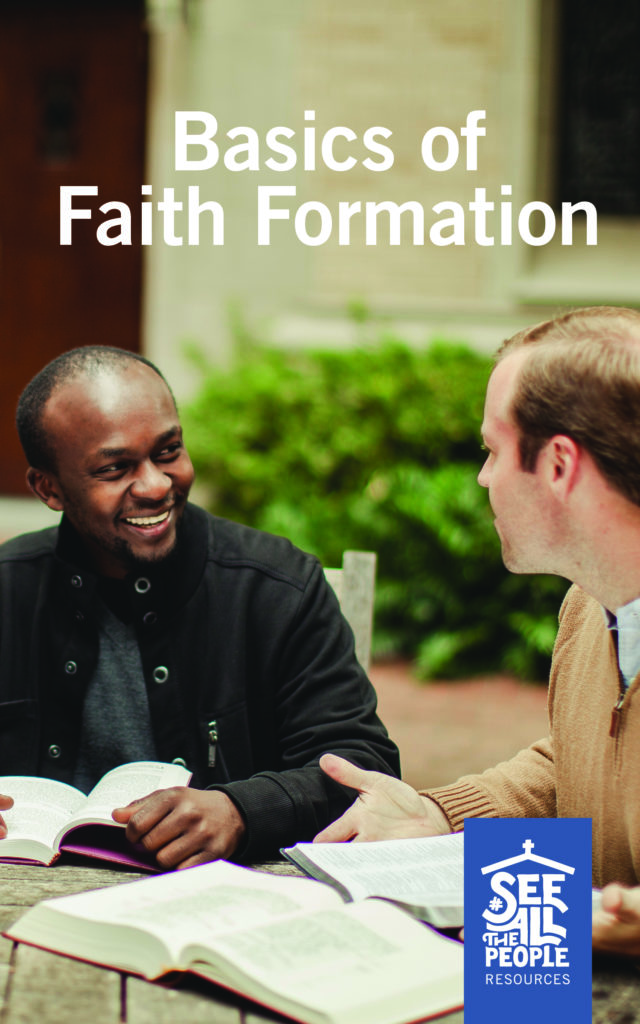
Basics of Faith Formation
A Wesleyan theological primer for leaders who want to root discipleship formation in grace (prevenient, justifying, sanctifying) and the means of grace. Provides a shared theological vocabulary for discipleship conversations across your congregation.
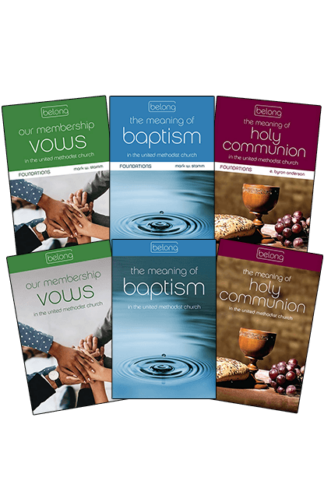
Belong
A series of resources centered on the sacraments and membership vows at the heart of United Methodist identity: baptism, holy communion, and membership. Through booklets, videos, workbooks, and other resources, Belong helps participants understand not just what the church practices but why these practices form us. It is for anyone ready to move from attendance into belonging.
Pathway 3
Grow in Reaching Others
How do we step beyond our walls and see the people God has placed around us?
The people Jesus walked toward were not looking for a church. They were going about their lives fishing, collecting taxes, drawing water. He stepped toward them. This pathway is about developing that same capacity in your congregation: the ability to see your neighbors, build authentic relationships, and create natural space for discipleship to begin. And it includes one resource that takes that calling into everyday work.
Engaging Your Community: A Guide to Seeing All the People
The essential outward-facing resource in the SATP library. Helps congregations move from demographic study and asset mapping into genuine relationship with the people around them. If you only read one resource beyond the Discovery book, read this one.
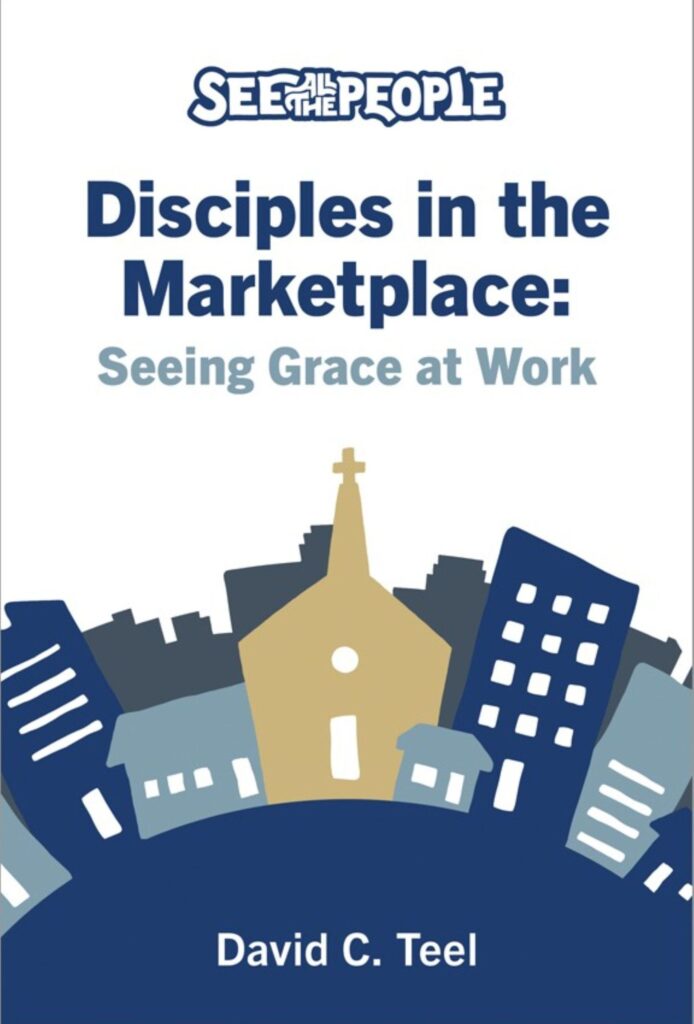
Disciples in the Marketplace: Seeing Grace at Work
A study and video series for disciples who want to carry their faith into the everyday spaces of work, neighborhood, and community life not just Sunday worship. Helps individuals and small groups reflect on encountering and sharing grace in ordinary places.
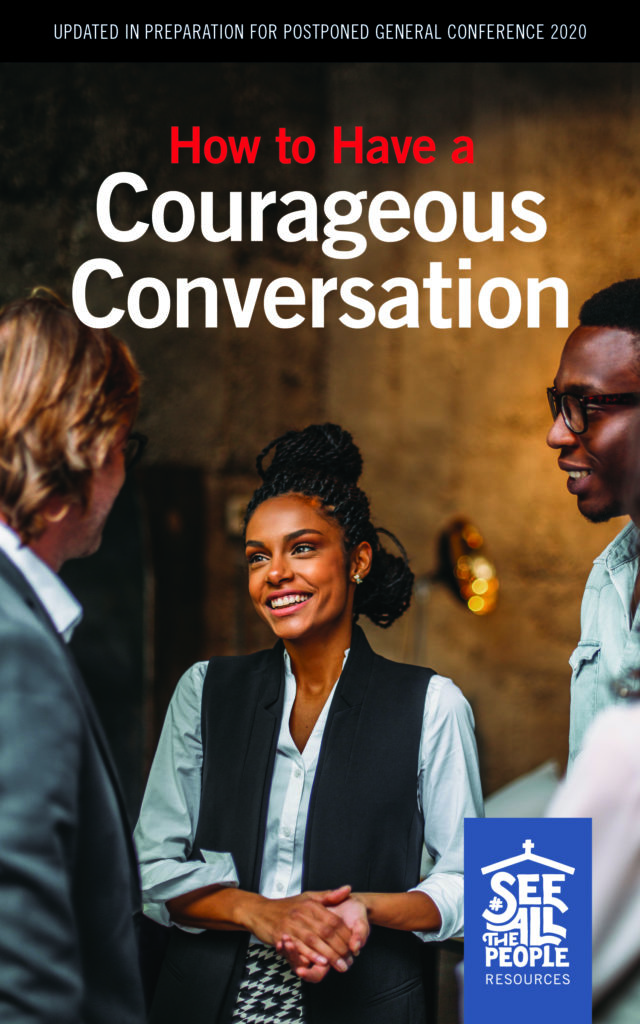
How to Have a Courageous Conversation
Reaching others requires courage the courage to share our faith, engage difference, and enter conversations we would rather avoid. This resource explores what keeps us from those conversations and how to step into them faithfully, drawing on the model of Jesus and the practice of dialogue over debate.

Making New Disciples in New Places
For leaders planting new faith communities or developing fresh expressions. Walks through seven seasons of making new disciples, with attention to the laity-clergy partnership and the practical dimensions of beginning something new.

Measuring Discipleship
As you reach others, how do you know if discipleship is happening? This resource reframes evaluation around outcomes and transformation, not just attendance, and includes a significant section on story as a form of evidence.
Pathway 4
Grow in Generosity
How do we form disciples whose whole lives — including their resources — reflect the grace they have received?
Generosity is not a fundraising problem. It is a discipleship problem. When people understand their lives and resources as a gift from God and an instrument of God's mission, giving naturally follows. These resources help congregations move from stewardship campaigns into a genuine culture of generosity and to fund the ministry that moves beyond what current giving can reach.

Disciples Living Generously
Reframes stewardship as a dimension of formation rather than a financial transaction. Why does generosity feel easy in some congregations and impossible in others? This booklet begins with that honest question and works toward a theologically grounded, practical answer.

Finding and Writing Grants
For congregations whose ministry vision has outgrown their current giving capacity. A practical guide to the full grant cycle: identifying funders, writing clear proposals, managing relationships, and reporting outcomes. Particularly useful for congregations pursuing Lilly, denominational, or community foundation grants.
You Already Know What to Do First
“Follow me and I will make you fish for people.” — Mark 1:17 NRSVUE
Jesus did not give the fishermen a comprehensive plan. He gave them a first step: follow me. The plan would emerge as they walked.
The same is true for your congregation. You do not need to start four pathways at once. You do not need a perfect system before you take a step. You may already sense where the energy is, perhaps a worship team asking deeper questions, a small group ready to multiply, a pastor feeling called to spend more time in the neighborhood. Start there.
See All The People is not asking you to add something to an already full ministry plate. It is asking you to look at everything already on that plate and ask: is this forming disciples? Is this helping us see the people around us? And if not, what might we release in order to do that well?
The people are already there. They are in your neighborhood, your workplace, your city. God is already at work in their lives. The question is not whether they are reachable. The question is whether we are ready to see them.